Sloane Square rubbish removal tips for SW3 residents
Posted on 02/07/2026
If you live near Sloane Square, you already know the area has its own rhythm: elegant streets, busy pavements, tight access, and not a lot of patience for piles of unwanted stuff sitting outside the door. That is exactly why Sloane Square rubbish removal tips for SW3 residents can save you time, stress, and a few awkward moments with neighbours or building managers.
Whether you are clearing a flat after a move, getting rid of old furniture, handling builders' debris, or simply trying to reclaim a spare room that has become a storage cave, the smartest approach is usually the calm, organised one. In this guide, we will look at what rubbish removal really means in SW3, how the process works, what to avoid, and how to make the whole job cleaner, safer, and far less annoying. Truth be told, the difference between a smooth clearance and a headache is often just good preparation.
For readers who need a broader overview of service types, you may also find the services overview useful, especially if you are comparing household, office, garden, or builder-focused clearance options.
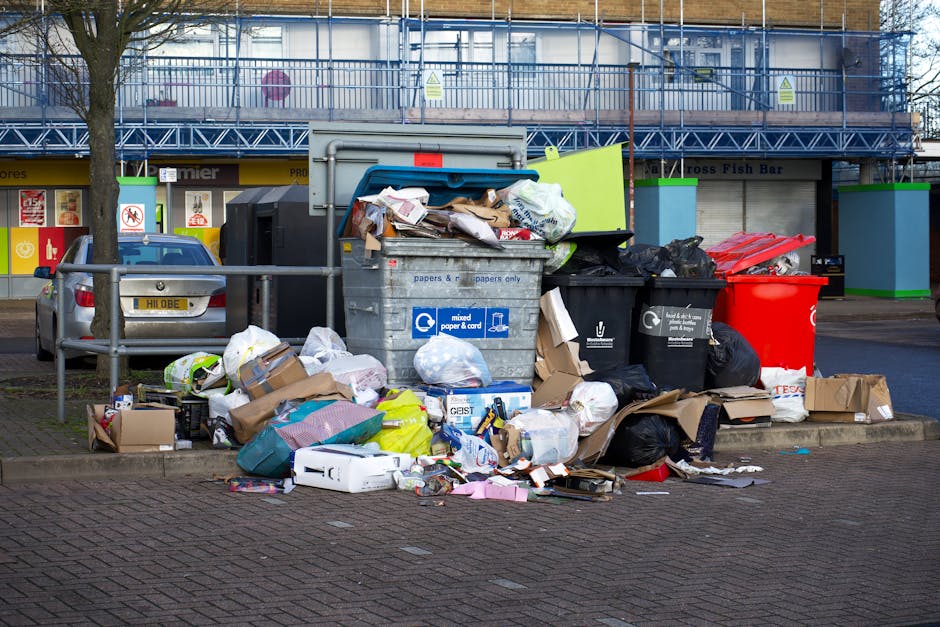
Why Sloane Square rubbish removal tips for SW3 residents Matters
Sloane Square and the wider SW3 postcode are not like a low-density suburb where you can just wheel items to the kerb and hope for the best. Space is tighter, footfall is higher, and many properties sit in managed buildings with their own rules about access, lift use, loading times, and waste storage. Even a small clearance can become difficult if you do not think ahead.
That matters for a few practical reasons. First, rubbish left in shared areas can create safety problems. Second, the wrong disposal approach can annoy neighbours or concierge teams. Third, missed sorting opportunities mean you may end up paying more than necessary. And finally, in a place like SW3, presentation matters. Nobody wants a hallway lined with broken wardrobe panels or a sofa propped in front of an elegant frontage while waiting for collection.
There is also the sustainability angle. Many residents want to reduce landfill where possible and make sure reusable items are handled sensibly. That is why a good clearance plan is not only about getting rid of things. It is about deciding what can be reused, recycled, donated, or removed safely. If that part matters to you, the page on recycling and sustainability is worth a look.
Expert takeaway: In SW3, the best rubbish removal plan is usually the one that fits building rules, traffic realities, and what actually needs to be removed - not just the one that sounds quickest on paper.
How Sloane Square rubbish removal tips for SW3 residents Works
At its simplest, rubbish removal is the process of sorting, collecting, transporting, and disposing of unwanted items in a lawful and efficient way. In a neighbourhood like Sloane Square, the process tends to work best when it is broken into a few stages rather than handled in one rushed afternoon.
Most jobs start with a rough assessment. You look at what needs to go: old furniture, bags of general clutter, renovation offcuts, mattresses, white goods, garden waste, office materials, or mixed household rubbish. Then you decide whether the items are reusable, recyclable, or true waste. That distinction matters more than people think. A set of bookshelves with a bit of wear might be worth passing on, while a water-damaged mattress clearly is not.
Next comes access planning. In SW3, this can be the difference between a straightforward job and a logistical puzzle. Ask yourself: where will the items be carried from? Is there a lift? Is street parking available? Are there concierge instructions? Is the building on a narrow road with limited stopping time? These details shape the whole removal plan.
For more specialised jobs, such as post-refurbishment or strip-out waste, a dedicated builder-focused approach is usually better. You can see how that works on the builders waste disposal Chelsea page, which is helpful if your clearance involves rubble, timber, plasterboard, or old fixtures.
The final stage is disposal and sorting. Good rubbish removal should not be random dumping in a van. Materials need to be separated where possible, handled safely, and taken to the appropriate destination. That is also where proper paperwork, carrier responsibility, and insurance awareness become important. More on that later.
Key Benefits and Practical Advantages
Good rubbish removal is more than a tidy-up. It gives you breathing room, yes, but it also creates practical benefits that you will notice pretty quickly.
- Less clutter, less stress: A clear flat or house feels easier to live in. There is a reason people keep saying they will deal with the spare room "next weekend". It keeps bothering them until they finally do.
- Safer access: Hallways, stairwells, and entrances stay open and less hazardous.
- Better use of time: You avoid endless solo trips to recycling sites or trying to fit bulky items into a car that was clearly never designed for a wardrobe.
- More consistent results: A planned clearance is usually cleaner than a bit-by-bit approach.
- Potential recycling gains: Sorting early can keep more material away from general waste.
- Lower risk of disputes: With the right timing and communication, you are less likely to create friction in a shared building.
There is also a business-like benefit if you are selling or letting a property. Clean, empty spaces tend to photograph better and feel more move-in ready. If you are dealing with a move or purchase in Chelsea, the article on purchasing property in Chelsea may help you think through those transition moments in a more organised way.
Who This Is For and When It Makes Sense
This kind of guidance is useful for more people than you might expect. In SW3, rubbish removal often becomes relevant in everyday situations that do not feel dramatic at first.
You may need it if you are:
- moving out of a flat and need a fast clear-out
- combining households and ending up with two of everything, which is somehow both lucky and annoying
- refreshing a rental property between tenancies
- clearing an office, studio, or consultation room
- disposing of garden cuttings or outdoor furniture
- after a small renovation with dust, broken packaging, and leftover fittings everywhere
- helping a relative downsize and wanting a careful, respectful process
For landlords and property managers, this is often about speed and consistency. For homeowners, it may be about restoring order after a life change. For renters, it can be about avoiding deposit disputes and leaving the place properly. And for businesses, it is usually about not turning a working space into a storage unit with desks in it.
There is a more human side to it too. A lot of people in SW3 simply want the job done quietly and properly, without fuss. That is fair enough. You should not have to micromanage rubbish removal all day.
Step-by-Step Guidance
If you want a smooth result, use a simple process. Nothing fancy. Just a sensible sequence.
- Walk the space first. Check every room, storage cupboard, balcony, cellar, and out-of-sight corner. Junk has a habit of breeding in weird places.
- Separate keep, donate, recycle, and remove. Do this before anything is moved. It saves time and often money.
- Measure bulky items. Sofas, bed frames, wardrobes, and appliances can become access problems if the stairs are tight or the lift is small.
- Check building rules. Confirm loading times, lift access, parking arrangements, and any concierge or management requirements.
- Decide what type of clearance you need. Household clutter, office items, garden waste, and builders' waste often need different handling.
- Book at the right time. If your street is busier on certain days, avoid peak hours where possible.
- Prepare the items for easy removal. Keep bags closed, stack boxes neatly, and place items where they can be collected without blocking passageways.
- Ask for clarity on disposal. You want to know what happens to mixed materials, reusable items, and anything requiring special handling.
- Do a final sweep. Before the team leaves, check corners, under beds, and storage areas. That little forgotten lamp or cable tends to be the one you remember later.
If your job includes furniture, a house clearance approach may be the most practical route. The house clearance Chelsea page is a sensible companion resource if you are dealing with multiple rooms or a full-property clear-out.
Expert Tips for Better Results
The small details are where good rubbish removal becomes genuinely efficient. These are the things that save hassle in real life.
- Keep an "access path" clear. A hallway full of bagged waste looks organised until the lifting starts. Then it is in the way.
- Group items by material. Wood, metal, electricals, textiles, and mixed waste are easier to deal with when separated early.
- Be honest about volume. Underestimating how much needs removing is a classic mistake. One pile becomes two. Then four.
- Protect communal areas. Use door frames, floors, and lifts carefully. In shared buildings, this matters more than people realise.
- Plan around weather and traffic. A wet morning in London changes everything a bit. Boxes slip, pavements are busier, and waiting around becomes tedious fast.
- Keep valuables and paperwork separate. Old bills, photos, documents, and chargers have a way of hiding in drawers right at the last moment.
A quiet but valuable tip: if the clearance includes office equipment, paperwork, or shelves of archived material, do not treat it like ordinary domestic clutter. Office clearance needs a more careful approach, especially where confidential items are involved. The office clearance Chelsea page is useful if that sounds familiar.
Also, if you are comparing a few options, think less about "cheapest" and more about "least disruptive". In SW3, time saved and stress avoided can easily outweigh a slightly lower sticker price elsewhere. Not always, but often enough.
Common Mistakes to Avoid
People usually do not get rubbish removal wrong because they are careless. They get it wrong because they are rushing, busy, or trying to do too much at once. Understandable. Still, a few mistakes come up again and again.
- Leaving sorting until collection day. This turns a tidy plan into a scramble.
- Forgetting building access rules. A quick job can become delayed if the lift is unavailable or parking is blocked.
- Mixing hazardous items into normal waste. Paint, solvents, batteries, and certain electricals need specific handling.
- Assuming every item is rubbish. Some things can be reused or recycled, and throwing them away wastes value.
- Not checking insurance or safety arrangements. It sounds dull, but you really do want confidence that the work is covered properly.
- Leaving the job until the last minute. That is how moving day starts with a pile of panic and ends with takeaways on the floor.
One more thing: do not overfill bags so much that they become awkward to lift. It is the kind of small shortcut that can quickly become a back-ache tax. Nobody needs that.
Tools, Resources and Recommendations
You do not need a huge toolkit for rubbish removal, but a few practical items make everything easier.
- Heavy-duty bags and boxes for sorting mixed household items
- Labels or marker pens so keep, donate, and remove piles stay separate
- Gloves for handling dusty, sharp, or awkward items
- Measuring tape for large furniture and access routes
- Storage blankets or floor protection if you are moving items through shared interiors
- Phone camera to document what needs removing before the work begins
For property owners interested in how clearance fits into broader home projects, the Kings Road rubbish clearance guide for homes in Chelsea is a useful nearby read. It helps frame clearance as part of property upkeep rather than an isolated chore.
If your priority is low-disruption rubbish removal, it also helps to choose a team or method that understands local access challenges, especially around busy streets and shared entrances. And if sustainability matters to you, ask how items are separated and where reusable material goes. That one question tells you a lot.
Law, Compliance, Standards, or Best Practice
Rubbish removal in the UK is not something to treat casually. You do not need to become a waste-law expert, but you should understand a few basics.
First, waste should be handled by people or businesses that can move it responsibly. If someone offers a suspiciously cheap clearance and cannot explain what happens to the waste, that is a red flag. Second, certain items may need special handling. Electricals, batteries, sharp waste, and potentially hazardous materials should not simply be dumped in with general rubbish. Third, if you live in a managed building, internal rules may matter just as much as wider waste guidance.
Good practice also means keeping access routes clear, minimising nuisance to neighbours, and using appropriate lifting and loading methods. In shared residential spaces, being courteous is not a nicety; it is part of doing the job properly.
Insurance matters too. If items are being removed through communal hallways or down stairs, you want confidence that the operation is carried out carefully. The insurance and safety page is a helpful reference point for understanding the kind of reassurance you should expect.
For customers who care about values as well as convenience, responsible sourcing and ethical working practices are also worth considering. You can read more about that in the site's modern slavery statement, which reflects broader standards of accountability.
Practical rule of thumb: if something feels risky, heavy, sharp, or uncertain, slow down and ask before moving it. A cautious minute beats a damaged wall, a strained back, or a disposal mistake.
Options, Methods, or Comparison Table
There is more than one way to deal with unwanted items in SW3. Which method makes sense depends on volume, access, time, and how much effort you want to spend yourself.
| Method | Best for | Pros | Trade-offs |
|---|---|---|---|
| Self-clearance | Small loads, light items, flexible timing | More control, simple for a few bags or boxes | Time-consuming, parking and transport can be awkward |
| Bulky-item collection style planning | Single large pieces, fewer items | Good for isolated furniture or appliances | Less suitable for mixed or high-volume waste |
| Professional rubbish removal | Mixed waste, time-sensitive jobs, poor access | Fast, practical, less physical effort | Usually requires more coordination and budgeting |
| Specialist builders' clearance | Renovation waste, rubble, timber, plasterboard | Safer and more appropriate for construction debris | Not ideal for normal household clutter |
If you are still unsure which route fits your situation, start by checking the specific waste type first, not the service label. That keeps the decision honest. The right method for a post-renovation flat in SW3 is not always the right method for a decluttered spare room, and that is perfectly normal.
Case Study or Real-World Example
Here is a realistic scenario. A resident in SW3 is moving out of a third-floor flat near Sloane Square. The property has a narrow stairwell, limited parking, and a lift that cannot take oversized furniture. The flat contains an old sofa, two bookcases, a mattress, several bags of general clutter, and a small pile of packaging from a recent refresh.
On paper, this looks like a simple "just take it away" job. In practice, it needs a bit of planning. The resident separates papers and personal items first, removes anything reusable, measures the sofa, checks the building's access rules, and groups the items by type. The mattress and sofa are set aside for removal, the packaging is bundled neatly, and fragile items are boxed on their own.
The result? Less time spent moving things around, fewer trips through the building, and far less stress on the day. No drama. No last-minute panic. Just a sensible clear-out.
That is the real lesson here. Rubbish removal in Sloane Square tends to go best when it is treated like a small project, not a spontaneous chore. A little structure changes everything.
Practical Checklist
Use this checklist before collection day. It is simple, but it catches the usual problems.
- Sort items into keep, donate, recycle, and remove
- Check building access, lift use, and parking restrictions
- Measure bulky furniture and awkward items
- Separate electricals, batteries, and potentially hazardous items
- Protect floors and shared hallways if items need moving through communal areas
- Bundle loose waste into bags or boxes that are safe to lift
- Remove valuables, documents, and sentimental items first
- Confirm the disposal approach for mixed or recyclable materials
- Decide whether you need household, office, garden, or builders' clearance
- Do a final sweep of cupboards, corners, and storage spaces before collection
Quick summary: if you sort early, measure properly, and respect access rules, rubbish removal in SW3 becomes far easier. It is often the preparation that makes the job feel almost effortless. Almost.
For readers comparing clearance types, the waste removal Chelsea page is another useful reference when the job is broader than a simple one-room tidy-up.
Get a free quote today and see how much you can save.
Conclusion
The best Sloane Square rubbish removal tips for SW3 residents are not complicated: sort early, plan access carefully, respect building rules, and match the removal method to the waste type. That combination saves time, reduces friction, and usually makes the whole process feel much less overwhelming.
Whether you are clearing a single bulky item or dealing with a full home refresh, the aim is the same: make the space feel lighter, safer, and easier to live in. That is a small win, but a real one. And in a busy part of London, real wins matter.
If you want to explore who is behind the service and the values that shape it, you can also read the about us page. A little trust goes a long way when someone is coming into your home or building.
Take it one step at a time, keep the process tidy, and do not be afraid to ask for help where it saves effort. Sometimes the quiet, sensible approach is the best one.

From a young age, Blair has cultivated a passion for order, which has now matured into a prosperous profession as a waste removal specialist. She derives satisfaction from transforming disorderly spaces into practical ones, aiding clients in conquering the burden of clutter.
 Tipper Van - Junk Removal and Rubbish Clearance Prices in Chelsea, SW3
 Luton Van - Junk Removal and Rubbish Clearance Prices in Chelsea, SW3